

.Dl7BAwhJ_ZJXLLF.webp)
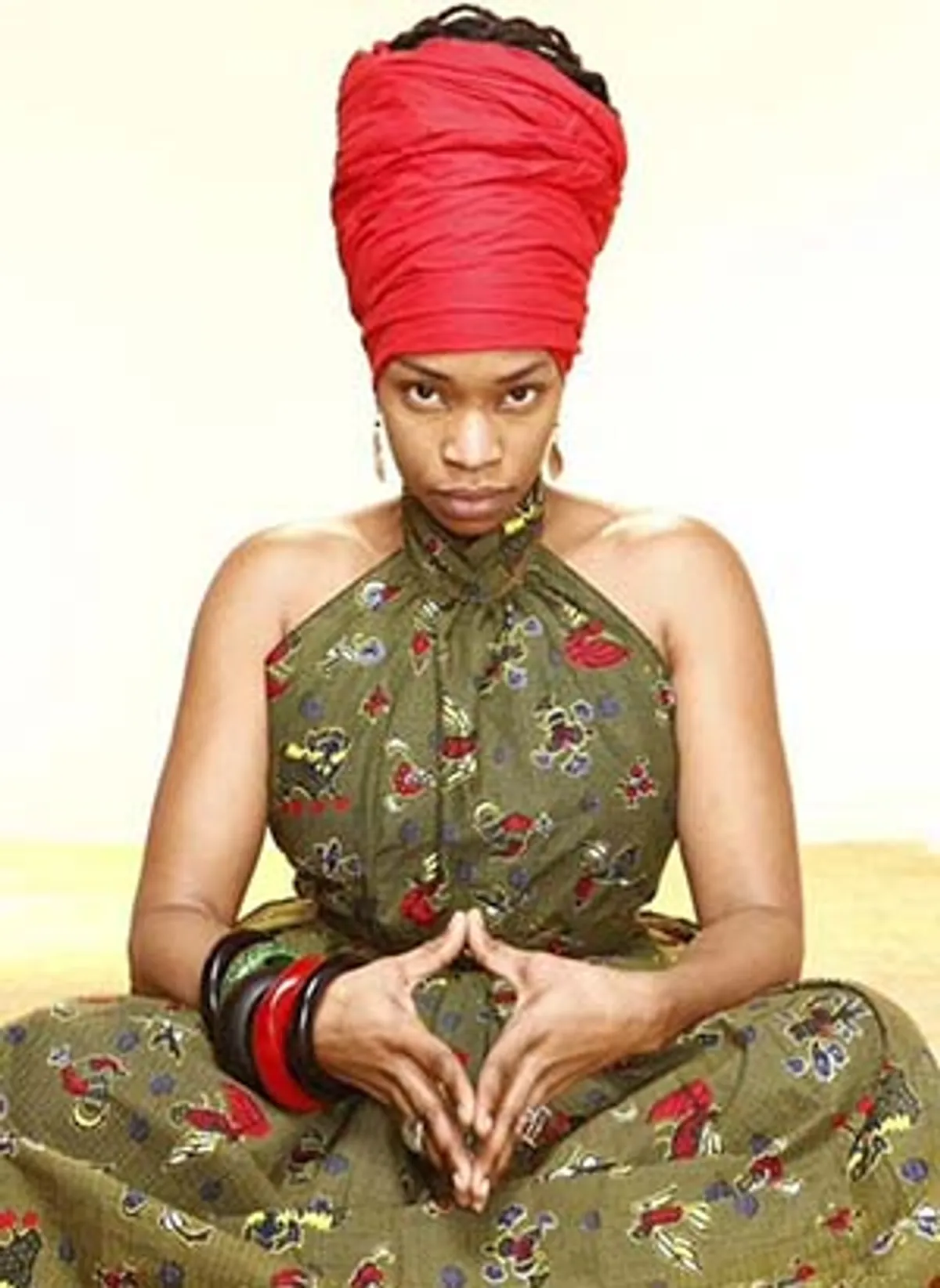
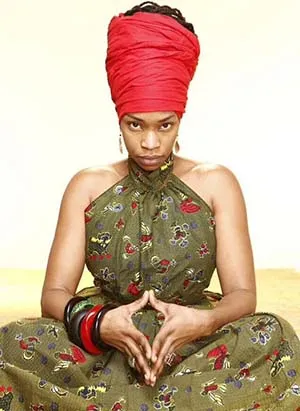
Reemah: "All this division, borders, flags, it's man-made. I choose to focus on what unites us!"
By Jah Rebel
Op zaterdag 2 augustus staat Reemah, de kroonprinses van de Virgin Islands reggae, samen met Tippy I in het Dub Forest van Reggae Geel; een set waarvoor we jullie toch al even warm willen maken met onderstaand interview!
The first time the world really got to hear your voice was on a track with Bamboo Station back in 2006, but I’m guessing that wasn’t your first musical experience?
Reemah: “Actually, it was. That song was my real introduction to music. I mean, I’ve been singing all my life, loved singing quietly, privately, growing up. I was always writing, especially poetry. That’s really where it started. I’d write poems and sometimes songs here and there, but it wasn’t until around 2003 that I decided to take things further. I met Catalyst, and he was already making riddims and producing. We just started vibin’, going back and forth with music. Eventually, the link came with Bamboo Station, and they asked me to do a track, ‘Chance To Grow’. That was my first official recording, you could say.”
Did you immediately feel a connection to reggae? Was it clear that this would be your genre?
Reemah: “Oh yes, that was perfectly clear. From since I could remember, I’ve always been introspective, always thinking about life and purpose. I grew up in a very Christian household. I went to a Catholic elementary school, but my family was Pentecostal. So I experienced two different denominations side by side, and that made me question a lot of things. I started asking myself: “Are we just doing these things because our parents did them, and their parents before them?” I began searching, reading about Africa, about who we were before slavery and colonialism. That gave me a deep sense of pride and awareness. And reggae music… I grew up with that. The conscious vibes influenced how I saw life. So yes, it all came together. I knew I wanted my message to be meaningful. I didn’t want to waste time singing about things that didn’t matter to me. I felt there was a calling, an urgency, and I just wanted to play my part in continuing the message that so many before me had been spreading.”
It were your uncles who introduced you to reggae, right? What were they like?
Reemah: “Yeah, my mom was the only girl, the eldest child, so I grew up surrounded by her brothers, my uncles. Reggae music was everywhere in the Virgin Islands, but inside the house, it was foundation music they played. Not so much dancehall, it was roots. And that definitely shaped my taste, and my love for conscious music.”
I read in an earlier interview that your first musical influences were more in soul and r&b. What part of that still lives in your music today?
Reemah: “My style is a mix; I sing, but I also chant. The r&b influences come through in how I approach singing, how I create melodies. That part has definitely stayed with me.”
Since those early days working on your first track with Bamboo Station, you’ve been working with Catalyst. His name already suggests his role… Has he been the catalyst in your musical journey?
Reemah: “Definitely. The name suits him. When we met, the connection sparked immediately. He’s a writer too, and an artist in his own right. He’d play riddims on his little rhythm machine and would say: “Write something to this!”. And from there, we just kept building. Spending time, going back and forth creatively, getting serious with the music. He truly lived up to his name!”
Catalyst (joins in): “Yeah man. At first, I actually wanted Bamboo Station to produce an album for Reemah. I loved their sound. I gave them some of our music, and they responded positively. We went up to record and laid down about five or six tracks, unreleased to this day. Then they asked me to play keys for the band, and I’ve been with them since. From that interaction came the idea to feature Reemah on the ‘Break The Soil’ album. That’s where ‘Chance To Grow’ came in, her first official recording, especially in the reggae world.”
Let’s talk about your latest album, ‘Breaking News’. In the title track you’re clearly critiquing how the media treats its audience.
Reemah: “Yes, ‘Breaking News’ is my second studio album. The first was ‘Check Your Words’ back in 2012. The title track on this one is a play on words. Normally, “breaking news” means something urgent. But I flipped it, asking: “What are they really breaking?” The answer is they’re breaking minds, breaking the sacred, trespassing into spaces that should be protected, and pushing people onto a path that’s not theirs. It’s about exposing the system, calling out the ways media and society try to take the mind hostage.”
Another stand out track is ‘Modern Day’. There’s a clear critique of the American Dream in there.
Reemah: Yes, ‘Modern Day’ is about how slavery shifted from physical to psychological. With physical chains, you know you’re a slave. But psychological slavery is more dangerous because many people don’t even realize they’re still being controlled, by systems, by vices, by invisible chains. The song says: “You take your chains away, yes you did, but you put them in your modern day… and I feel it in this modern day.”; it’s a message on mental liberation.”
That leads into something else… You’re from the US Virgin Islands, which I learned is an “organized, unincorporated territory” of the US. That means you’re technically part of the US, but don’t have the same rights. How does that affect your identity?
Reemah: “Honestly, I’m not sentimental about that. Whether we have full rights or not, I don’t focus on that. That’s politics, and to me, in the grand scheme, it’s not what really matters. I’m more concerned with truth and unity.”
So do you feel American?
Reemah: “Well, technically we are. We carry US passports and all that. But I don’t walk around saying: “I’m American.”. That kind of thinking, identifying too strongly with a flag, creates separation. I don’t identify with flags like that. Yes, I’m from the Virgin Islands and I love my home, but I see myself as part of the Earth, a global citizen. All this division, borders, flags, it’s man-made. I choose to focus on what unites us.”
That’s a very un-American perspective… In the States, everyone has a flag on their porch.
Reemah: “(Laughs) Yes, that’s true. It’s different in the Virgin Islands. We do have our own flag, but I don’t identify with any flag. It’s about unity for me. When people say: “I’m this” or “I’m that”, it separates. We are one.”
Whenever people talk about Reemah, the name Dezarie almost always comes up. How do you feel about that comparison?
Reemah: “Dezarie opened doors, not just for Virgin Islands reggae but for female artists period. She’s powerful and her message is strong. So if people compare or connect us, I overstand it. There’s love and gratitude. She helped pave the way. And the Virgin Islands are small, so naturally people associate reggae from there with names like Midnite and Dezarie. No issue with that. All love.”
My final question is a spiritual one. What does Rastafari represent to you?
Reemah: “Rastafari, for me, is about what His Majesty represented, the principles, the example he set. It’s about unity, spirituality, consciousness. A symbol of African strength and global connection. To me, it’s not about religion. Once you start turning it into rules and regulations, it becomes religion. But Rastafari is spirituality. Reggae and Rastafari are intertwined; you can’t really separate them. The music carries the consciousness. Before we were even born, before books or doctrines, we were whole. That inner knowing, that’s what matters. Rastafari reminds us of our oneness with the earth and each other. It’s about turning inward, finding truth, and living in unity with nature, self, and community.”
Beautifully said. Reemah, thanks so much for your time and the vibes.
Reemah: “Give thanks. Bless up every time!”
About the Author
Jah RebelLag samen met Jah Shakespear aan de basis van Reggae.be; eerst als recensent en interviewer, en vanaf eind 2014 ook als hoofdredacteur.
Genres
Published
June 11, 2025